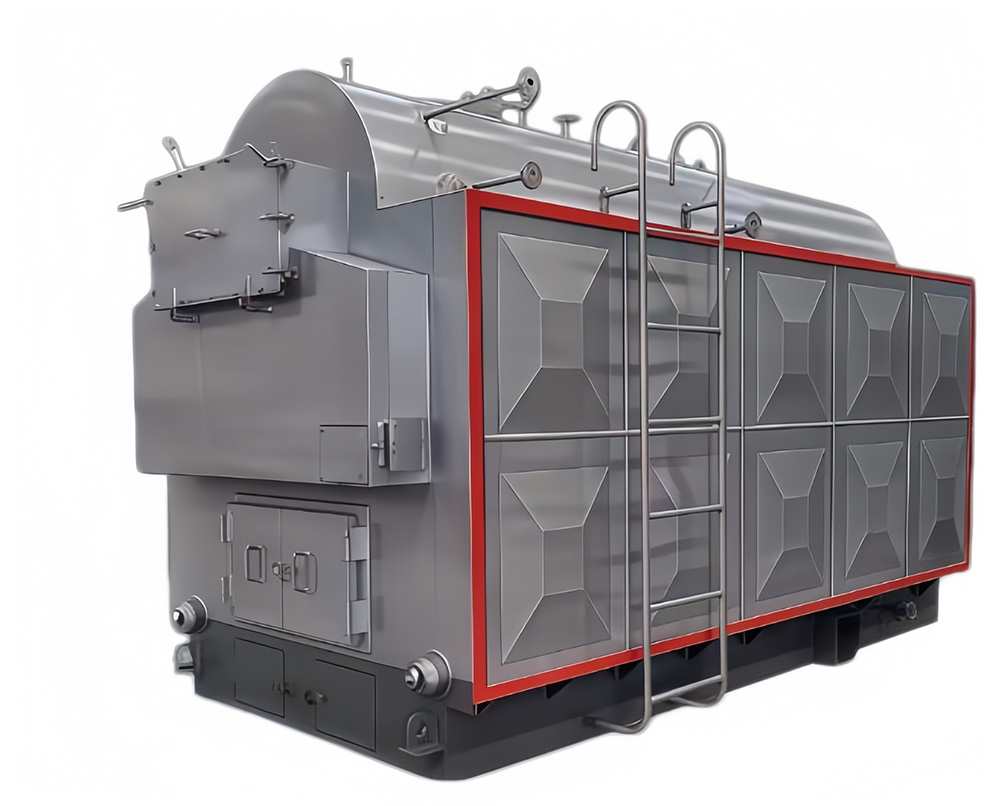
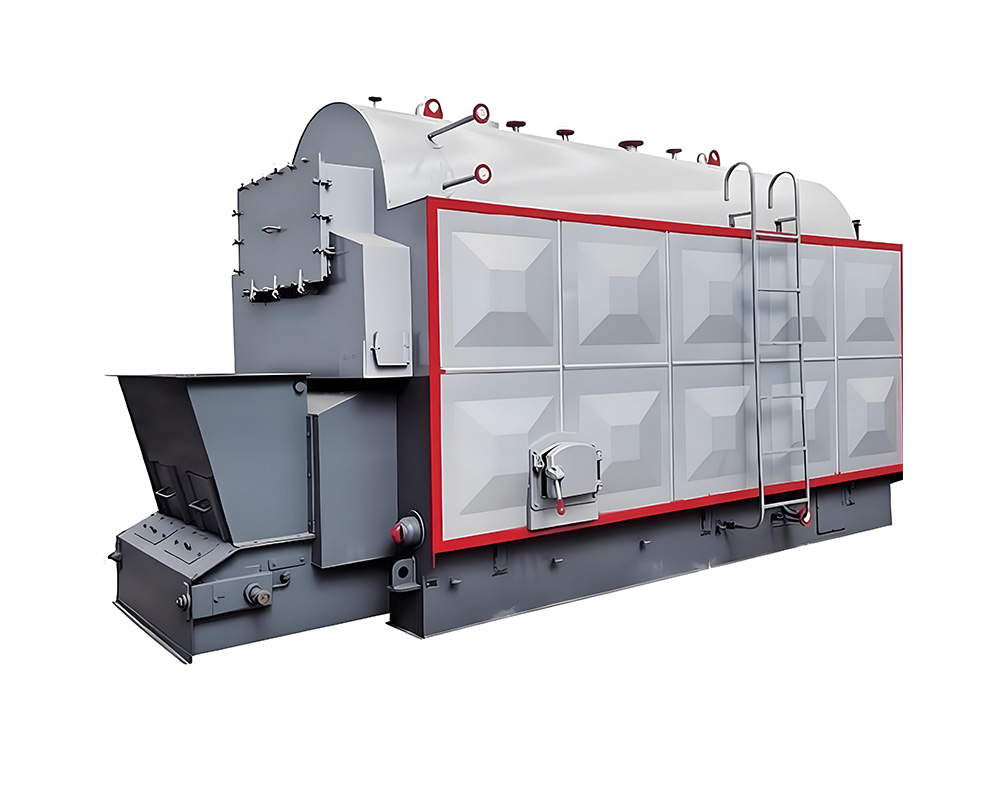
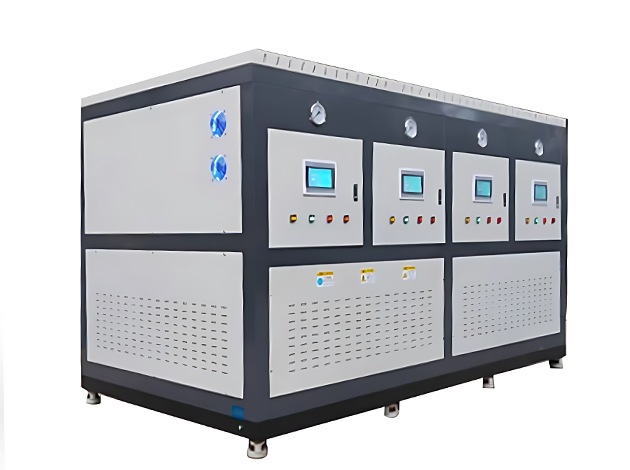
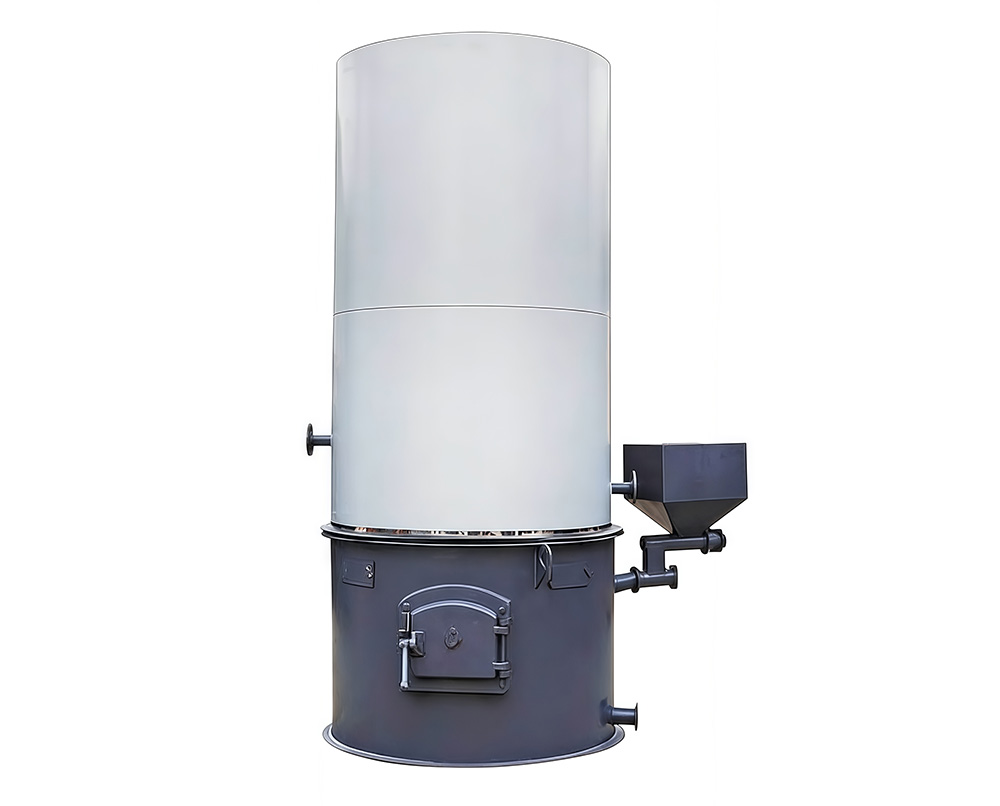
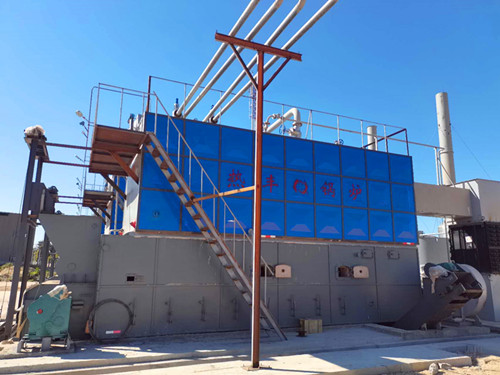
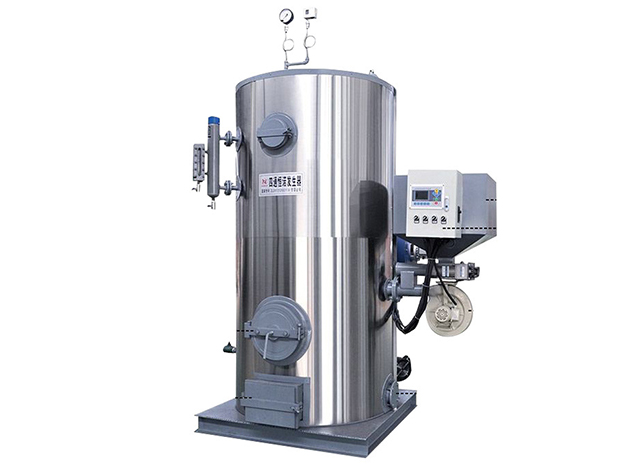
- YLW-7000MA Series Biomass Coal Fired Thermal Oil Boiler
- YLW-4700MA Series Biomass Coal Fired Thermal Oil Boiler
- YLW-3500MA Series Biomass Coal Fired Thermal Oil Boiler
- YLW-3000MA Series Biomass Coal Fired Thermal Oil Boiler
- YLW-2400MA Series Biomass Coal Fired Thermal Oil Boiler
contact person:Mr. Wang
cell phone:+86 15239423789
WhatsAPP:+86 15239423789
email:1403540238@qq.com
address:Hot Feng Boiler, Taikang County, Henan Province, China
Types of hot blast stoves and fuel selection
The types and fuel selection of hot air stoves are based on their working principles and heating methods, and are divided into two systems: direct and indirect. Different types are suitable for specific fuels and application scenarios. Direct hot air stoves generate hot air through direct combustion of fuel, with a simple structure and high heat transfer efficiency. The products of fuel combustion are directly mixed into the hot air, making them suitable for drying scenarios with low air quality requirements.
The indirect hot air stove adopts a heat exchanger to isolate the combustion system from the hot air channel. The hot air is pure and suitable for industries with strict cleanliness requirements such as food and medicine. However, the thermal efficiency is slightly lower than that of the direct furnace type regenerative hot air stove. As a branch of the indirect type, the waste heat of the flue gas is recovered through ceramic or grid brick thermal storage bodies, which can achieve high-temperature hot air output. It is mostly used in large-scale industrial heating systems such as metallurgy and building materials.
The selection of fuel should be comprehensively considered based on the type and operating conditions of the hot blast stove, including solid fuels such as coal and biomass pellets. Although the cost is low, the combustion products have high dust content and require supporting dust removal equipment. It is suitable for scenarios where the cleanliness of hot air is not high, such as liquid fuels like diesel and heavy oil. The combustion efficiency is high and the flame is stable. The storage and transportation system is complex, and the operating cost is higher than that of solid fuels.
Gas fuels include natural gas, blast furnace gas, etc. The combustion products are clean and easy to achieve automatic control. They are suitable for scenarios with strict environmental requirements. Electric heating hot blast stoves generate hot air through resistance or electromagnetic heating, with no combustion emissions but high operating costs. They are suitable for small-scale or zero emission requirements for pollutants. Some hot blast stoves in the industry support multi fuel adaptation and can be flexibly switched according to fuel supply conditions, with equipment applicability and operational economy.
-
2026-06-252 Ton Horizontal Coal-fired Steam Boiler
-
2026-06-251 Ton Horizontal Coal-fired Steam Boiler
-
2026-06-23DZH1-1.0-T Coal & Biomass Fired Steam Boiler
-
2026-06-206-ton biomass-fueled steam boiler.
-
2026-06-204-ton biomass-fueled steam boiler.